The author, John Connell, is quoted as saying that to be a farmer is to be a student forever, for each day brings something new. At the start of 2023, these words ring especially true as the global state of flux continues to impact agriculture and agri-businesses alike.
A constant state of flux
The uncertainties inherent in weather, yields, prices, government policies, global markets, and political turmoil impact our daily activities and force us to consider alternatives and to invest in innovative solutions to lessen the effects thereof.
The ongoing Russia-Ukraine war is set to further add to market volatility. This conflict continues to affect global agriculture markets, most directly in the areas of wheat, corn, sunflower and fertilizer.
Challenges
On the home front, several factors are expected to come to the fore during the year. These factors include rising input costs, expansion of agricultural exports and export markets, the impact of deteriorating municipal service delivery, corruption in public offices and failures in the network industries (i.e. roads, rail, water, electricity and ports). A major point of concern is the prevalence of rolling blackouts and the pressure is mounting on farmers and businesses to invest in solar power or alternative energy to keep their operations afloat.
The new year was rung in with a considerable drop in fuel prices, butit had little, if any, effect on the planting season since most farmers have already concluded their summer crop planting operations. Although the price of diesel per litre was reduced by 280,9 cents per litre, farmers continue to bear a heavy cost burden since they need to run their generators for longer periods given the current load shedding schedule.
Overview of the South African grain and oilseed markets
In terms of wheat production, more wheat was planted during the course of the past two years, mainly in reaction to better prices and the uncertainty with regards to barley and the various bans on alcohol sales. According to estimates made by the Bureau for Food and Agricultural Policy (BFAP), less wheat will be planted during 2023, especially if market prices continue to decline.
The National Crop Estimate Committee (CEC), in its November 2022 report, indicates that the area under wheat has stabilised in the Free State, following years of decline. The province will contribute around 21% (470 400 tonnes) to the national wheat harvest.
This year marks the third consecutive La Nina year for South Africa, an occurrence that has only taken place twice in the last 50 years, and as a result the year started off wet. The result hereof is that planting was delayed in some areas due to the wet conditions.
Many farmers opted to increase their soybean hectares at the expense of white maize hectares because of higher input costs, and the fact that soybeans handle wet conditions better than maize.
The CEC estimates an increase of 149 700 hectares of soybeans in 2022 according to their 2023 Intentions to Plant Report. This represents a 16.2% increase year-on-year. They also decreased the white maize hectares to 73 000 hectares and sunflower seed to 90 200 hectares. This continues to exert pressure on white maize ending stock, as well as already tight sunflower ending stocks.
The way forward
I believe that the start of each new year provides us with the opportunity to reflect and realise the infinite opportunities ahead of us.
Over the course of the past few years we have faced unparalleled challenges and we had to adopt at an astonishing pace, but we managed to overcome (at our own terms), and this bears testament to our resilience and strength as a sector.
In order for us to continue to thrive in 2023, it is important for us to re-examine our strategies through a new lens, and a different set of drivers. We need to be certain of our strengths, certain of what we want to achieve, about the direction we are wanting to move in, and ultimately reimagine our future.
“My grandfather used to say that once in your life you need a doctor, a lawyer, a policeman, and a preacher. But every day, three times a day, you need a farmer.” – Brenda Schoepp.
* To download the Agbiz Grain digimag, click on this link: http://digimags.agriorbit.com/books/wtwf/
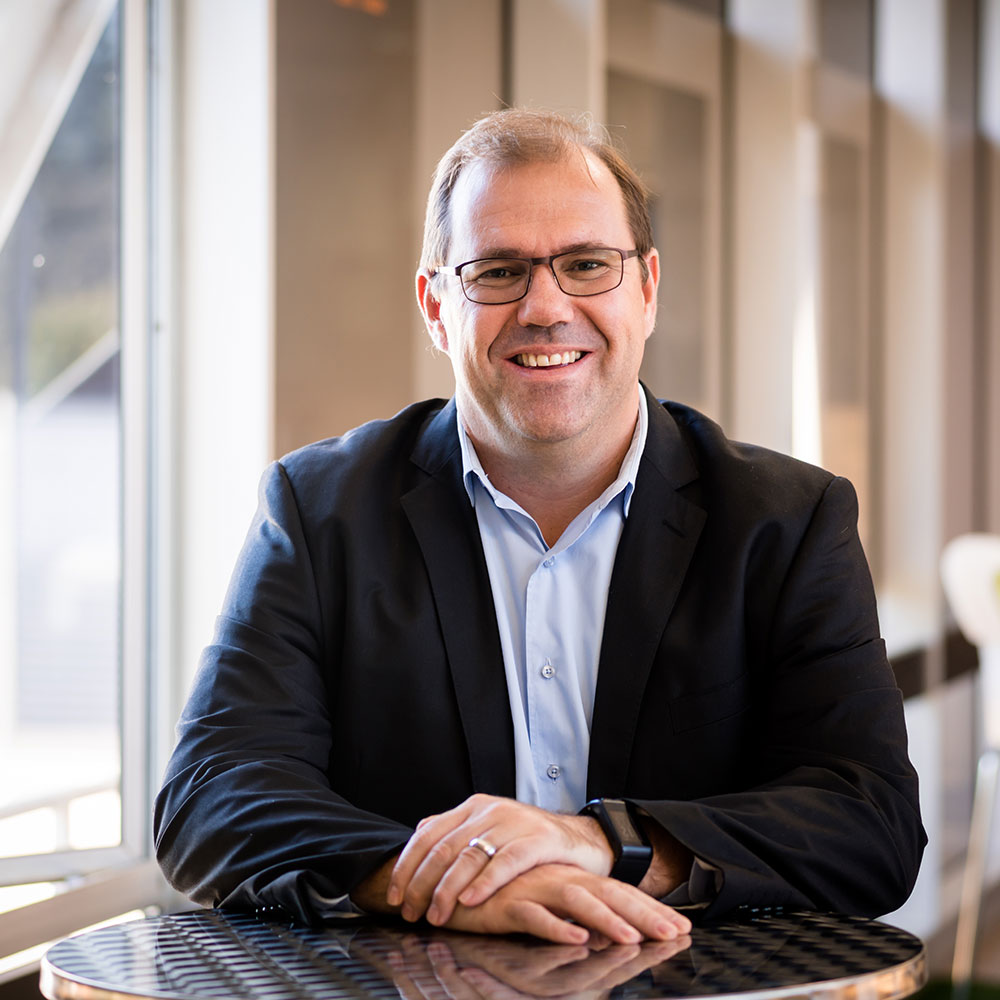
Wikus Grobler.
